Corn fiber
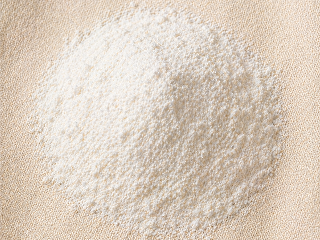
The backbone of the serving. Tempo lists 6,250mg of resistant maltodextrin corn fiber; this is the ingredient behind the 6g dietary-fiber line on the label.
Source 1Tempo makes the swap look almost too easy. The label is where the comparison gets interesting.

Your grandpa's fiber supplements have never been exactly complicated. They have just tended to come with a rushed ritual... get a scoop, make a mess, add water, stir, and chug the drink before the texture changes and you start drinking jello. If that already fits your day, fine. If it does not, there is an obvious appeal to upgrading the ritual altogether.
Tempo’s answer is five gummies. A fiber snack? Maybe, but beyond the 6g of dietary fiber per serving, there are three additional ingredients beyond the fiber itself.
We put the label next to a familiar psyllium powder and worked through the details we would actually want to know before choosing one over the other. Five things stood out.
Keep readingFlip the pouch over and the formula is more ambitious than the format suggests. Tempo pairs resistant maltodextrin corn fiber with L-arabinose, mulberry leaf extract, and saffron. All four ingredient categories have appeared in human research in some form.
A typical psyllium powder is much simpler: fiber, centered on psyllium. Tempo is more of a stack. Whether that extra complexity matters to you is the first thing worth deciding.
The backbone of the serving. Tempo lists 6,250mg of resistant maltodextrin corn fiber; this is the ingredient behind the 6g dietary-fiber line on the label.
Source 1
L-arabinose has been studied in humans alongside sucrose-containing foods and drinks. Those studies are useful context, but they are not studies of Tempo itself.
Source 2
Mulberry leaf materials have been studied in humans, including DNJ-standardized extracts. Tempo’s current evidence packet does not specify its DNJ amount.
Sources 3–4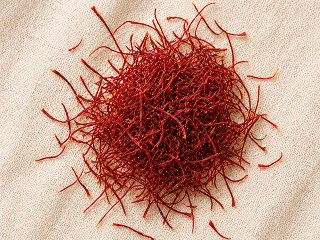
Saffron extracts have their own human-study history. The exact extract used in Tempo has not been matched to those trials in the current evidence packet.
Sources 5–6This was the number that changed our read of the product. A five-gummy serving contains 6g of dietary fiber, or 21% of the Daily Value. In other words, the fiber is not a decorative line item sitting behind the gummy format.
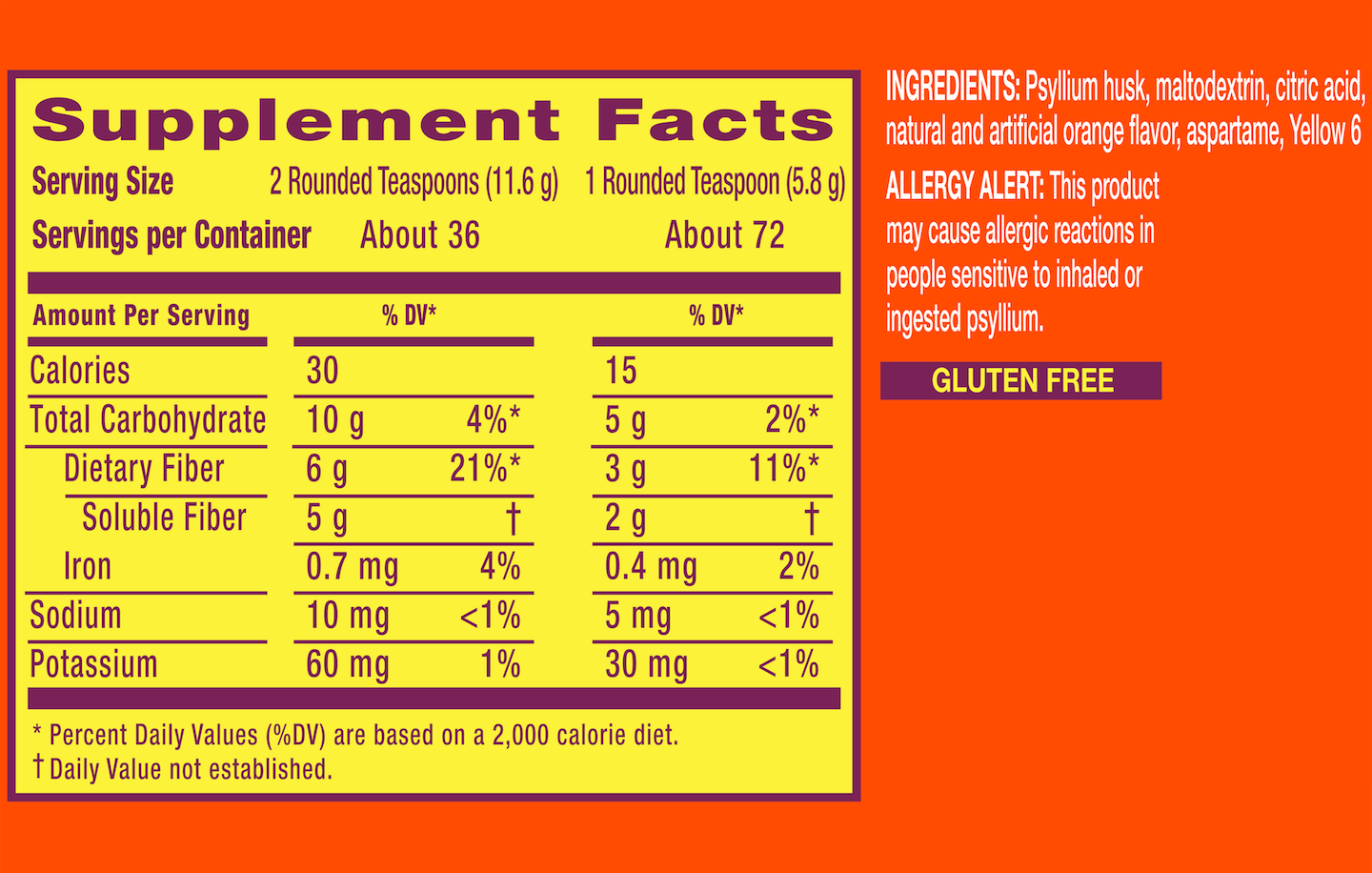
A familiar psyllium powder can get you to the same labeled 6g with two rounded teaspoons. That makes this less of a “gummy versus real fiber” comparison and more of a format choice: both can put 6g on the label; one gets there without becoming a drink.
This sounds almost too minor to count as a reason until you put the two routines side by side. The powder uses a rounded teaspoon.. and frankly, it can get messy.
Tempo uses five gummies. One is a measurement; the other is simply a count.
It's nice to know that when you eat 5 gummies you're getting the same dosage. There is no leveling, no guessing what “rounded” looks like, and no extra utensil living next to the pouch. That sounds boring. It is also exactly the kind of detail you notice after the novelty of a new supplement wears off.

The powder directions are not difficult. They are just specific: add at least 8 oz of cool liquid, mix briskly, and drink promptly (underscore prompty).
At least 8 oz of cool liquid, per the named powder’s directions.
The powder has to become a prepared drink before use.
That timing instruction is part of the routine too. If you're not fast enough, you'll be reaching for a spoon.
Tempo removes that part of the routine entirely. No glass to fill. No powder to chase around the bottom. No race against a thickening drink. If preparation is the part you never quite make habitual, this is where the gummy format earns its keep.
“Powder is not difficult. It is simply one more thing to make.”
The candy question is fair because Tempo looks like candy. The nutrition panel is a better answer than the packaging: per five-gummy serving, it lists 20 calories, 1g of total sugar.

The five reasons add up to something more interesting than “fiber, but gummy.” The 6g serving gives the format substance. The four-part formula gives you more to look at than fiber alone. And the counted, no-mix serving removes the two parts of the powder routine you notice every single time you take it.
If you already take psyllium every day without thinking about it, Tempo may not solve a problem you have. If you specifically want psyllium, prefer a drinkable mix-in, or care most about cost per serving, powder still makes perfect sense.
But if the scoop, the glass, and the drink-it-now routine are exactly why fiber keeps falling off your list, the gummy starts to make a lot more sense. It feels less like a supplement you have to prepare and more like something you can simply take. Plus, Tempo being packaged as individual servings makes it easy to grab a few pouches and take it with you on the go.
You want 6g of fiber without measuring or mixing a powder.
A four-ingredient formula is more appealing to you than straight psyllium.
You want more benefits than simply preparing a fiber powder.
You specifically want psyllium husk.
You already like a drinkable mix-in or want the lowest cost per serving.
See the current price, offer, shipping details, directions, and purchase options on the Tempo product page.

Not automatically. If you already like psyllium powder, use it consistently, and care most about cost per serving, there may be no reason to switch. Tempo is compelling because the routine and formula are different.
The comparison on this page is about formula, labeled fiber amount, and format — not superior clinical efficacy.
The ingredients each have human-research histories.
Five gummies are the current labeled serving, providing 6g of dietary fiber (21% DV).
The current label lists resistant maltodextrin corn fiber at 6,250mg per serving, with 6g dietary fiber.
Comparator: Metamucil Sugar-Free Orange Smooth Powder — one named SKU, not the entire fiber-powder category. Its official product page and label image were reviewed August 21, 2026. Where official sources conflict, this draft holds the comparison rather than selecting the more favorable number. Tempo facts reflect the label configuration in the supplied build package.
Brand disclosure: Metamucil® is a registered trademark of Procter & Gamble; its use here is for factual comparison only and implies no affiliation or endorsement.
These statements have not been evaluated by the Food and Drug Administration. This product is not intended to diagnose, treat, cure, or prevent any disease.